

Hear from Our Customers
You’ve noticed the smell. Or the discoloration. Maybe someone in your house can’t stop coughing and you don’t know why. You need to know if there’s mold, where it is, and what kind it is before you spend thousands on remediation you might not even need.
That’s where independent testing matters. We’re not trying to sell you a cleanup job. We test, we document, we tell you exactly what’s happening in your air and on your surfaces. You get lab results that identify the species, the concentration levels, and whether you’re dealing with something toxic or just cosmetic.
From there, you decide what happens next. If you need remediation, you’ll know exactly what needs to be done. If you’re buying or selling a home in Churchville, you’ll have third-party documentation that protects your investment. And if your insurance company needs proof, you’ll have it.
We’ve been serving Churchville and the surrounding Bucks County area with honest mold inspections and testing for years. We’re not here to upsell you on services you don’t need. We show up, we test, we give you the facts.
Churchville homes deal with the same issues most of Eastern Pennsylvania faces: older construction, basement moisture, increased rainfall, and humidity that creates perfect conditions for mold growth. We’ve seen it in crawl spaces, behind drywall, under flooring, and in HVAC systems that haven’t been checked in years.
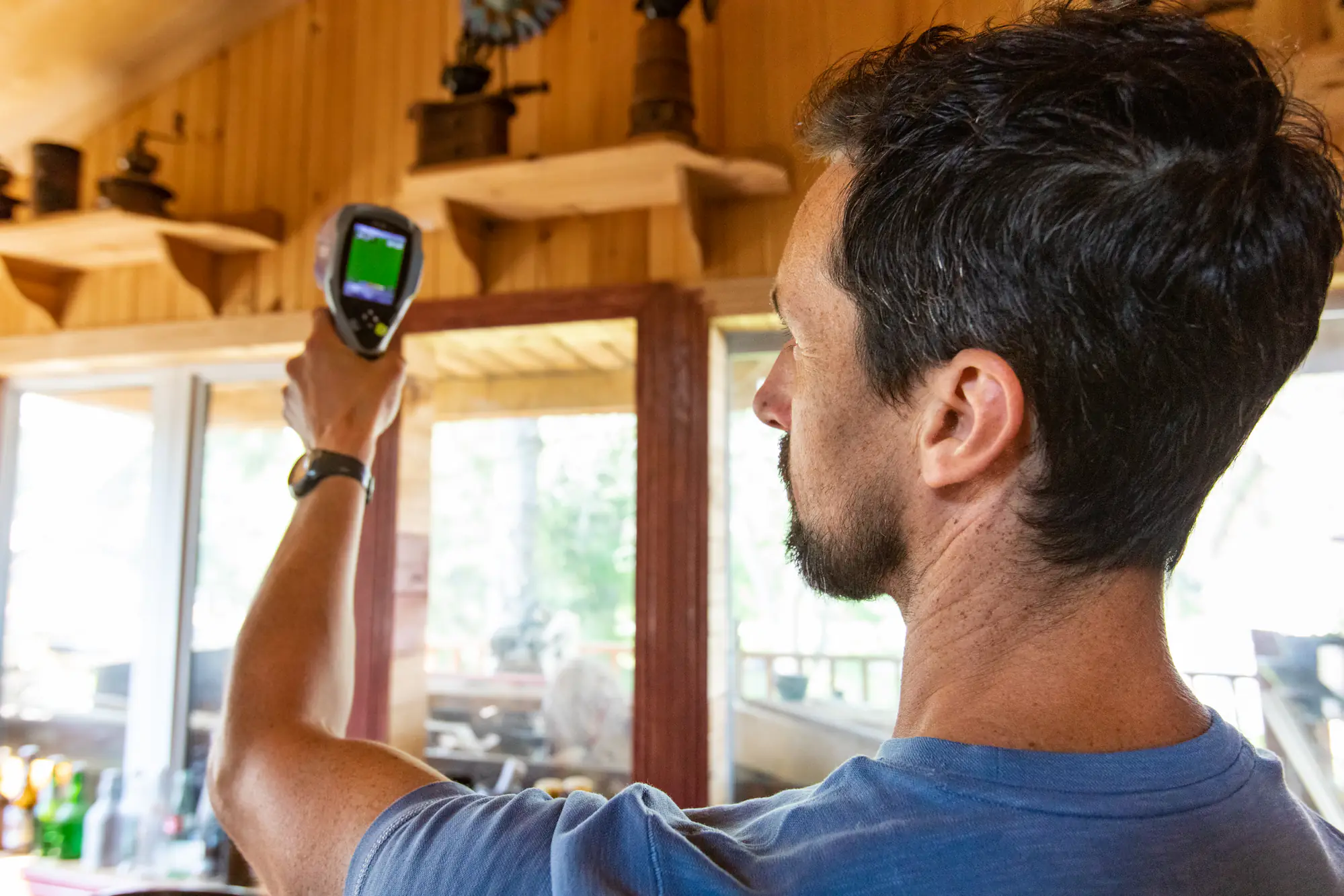
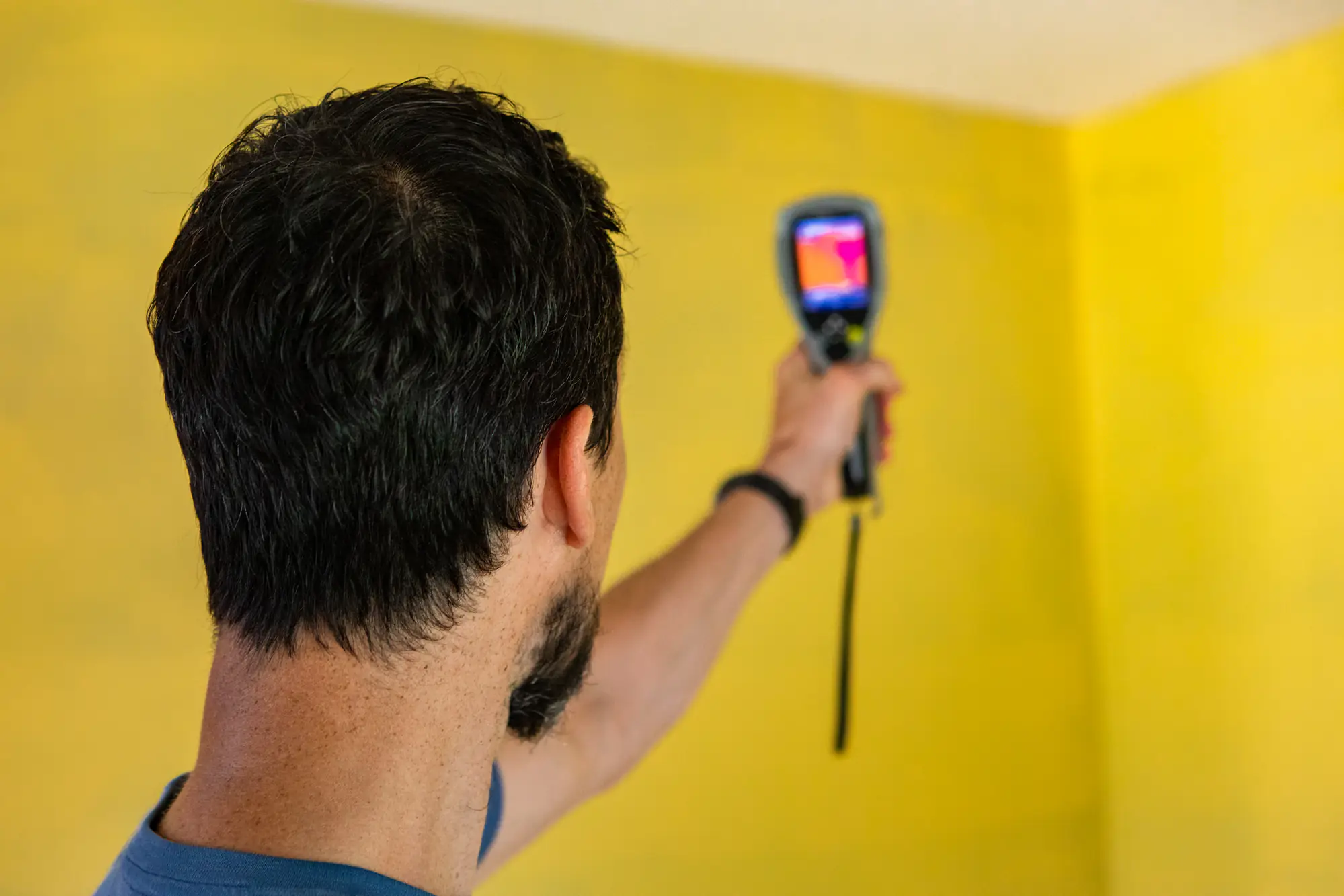
Our job is to find it before it becomes a bigger problem. We use thermal imaging, moisture meters, air sampling equipment, and surface swabs to give you a complete picture of what’s growing in your home.
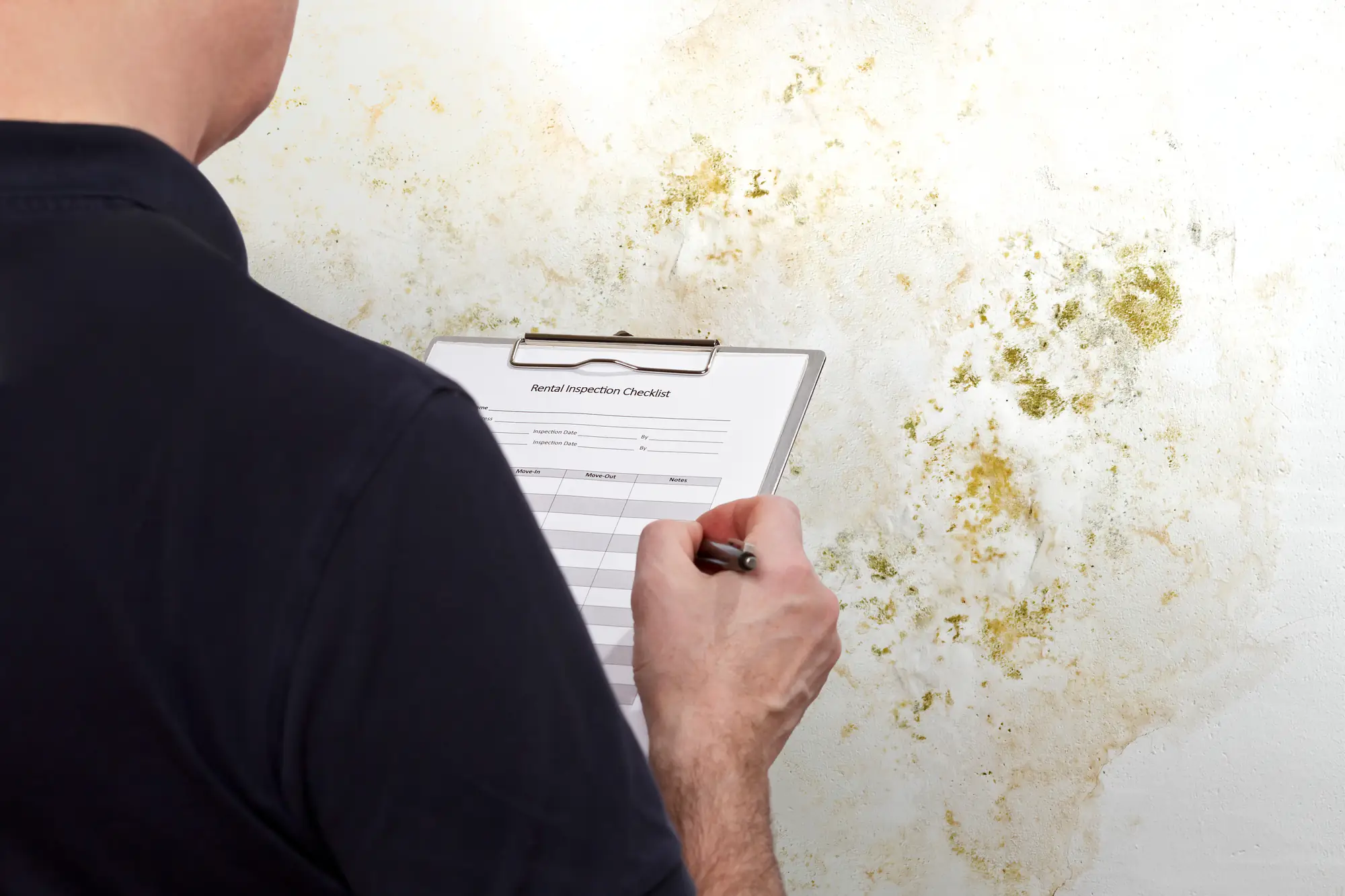
First, we walk through your property and look for visible signs of mold, water damage, or moisture problems. We’re checking areas most people don’t think to look: behind appliances, inside ductwork, around windows, in attics and basements.
Then we take samples. Air samples compare what’s floating around inside your home to what’s outside. Surface samples identify specific species growing on walls, ceilings, or floors. If needed, we’ll take bulk samples of materials like drywall or insulation and send them to an independent lab for analysis.
You’ll get results within a few days. The report will tell you what types of mold are present, the concentration levels, and whether you’re dealing with something that requires immediate action or just routine maintenance. We’ll walk you through what it means in plain language, and if remediation is necessary, we’ll explain what that process looks like without pressuring you into anything.
Ready to get started?
Every mold check starts with a visual inspection using moisture detection tools and thermal cameras to find hidden water intrusion. We’re looking for the conditions that allow mold to grow, not just the mold itself.
Air sampling captures spores that are floating through your home but aren’t visible yet. This is critical in Churchville homes where basements stay damp or where HVAC systems circulate contaminated air. Surface sampling uses swabs or tape lifts to collect growth from walls, ceilings, and other materials so we can identify the exact species.
Pennsylvania has seen a 5% to 10% increase in precipitation over recent years, and Bucks County homeowners are dealing with more moisture problems than ever. Mold can colonize within 24 to 48 hours once conditions are right. Testing gives you a head start before it spreads into areas that are expensive to access and treat. You’ll also get documentation that’s useful for insurance claims, real estate transactions, or just peace of mind that your family isn’t breathing in something harmful.
Professional mold testing in Churchville typically starts around $300 for a standard residential inspection. That includes a visual examination, moisture detection, and air sampling to compare indoor vs. outdoor mold levels.
Larger homes or properties over 4,000 square feet can run between $700 and $1,100 depending on the number of samples needed and the complexity of the inspection. If you need surface sampling or bulk material testing sent to a lab, that’s usually additional but necessary if you want to know exactly which species you’re dealing with.
Some companies offer discounted or free testing if you hire them for remediation, but that creates a conflict of interest. You’re better off paying for independent testing so the results aren’t influenced by someone trying to sell you a cleanup job. If the mold resulted from a covered event like a burst pipe, your homeowner’s insurance may reimburse the cost of testing.
If you smell something musty, see discoloration on walls or ceilings, or notice anyone in your house dealing with unexplained respiratory issues, it’s time to test. Mold doesn’t always show up where you can see it, and waiting only makes the problem worse.
You should also test after any water damage, even if it was cleaned up quickly. Flooding, leaks, or burst pipes create the moisture mold needs to grow, and it can start colonizing within 24 to 48 hours. If you’re buying or selling a home in Churchville, testing protects both parties and avoids surprises during closing.
Homes with basements, crawl spaces, or older HVAC systems are at higher risk, especially in Bucks County where humidity and rainfall have been increasing. If your home fits that profile and you haven’t had it checked, testing gives you a baseline and catches problems before they become expensive.
A mold inspection is a visual assessment where we walk through your property looking for signs of mold, moisture, and water damage. We use tools like moisture meters and thermal cameras to find hidden issues, but we’re not collecting samples or sending anything to a lab.
Mold testing goes further. We take air samples, surface samples, or bulk samples and send them to an independent lab to identify the species and measure concentration levels. Testing tells you exactly what you’re dealing with and whether it’s toxic, allergenic, or just cosmetic.
Most people need both. The inspection finds the problem areas, and the testing confirms what’s growing and how serious it is. If you’re trying to figure out whether you need remediation or just better ventilation, testing is the only way to know for sure. It’s also the only way to get documentation for insurance claims or real estate transactions.
You can buy DIY mold test kits at hardware stores, but they’re not reliable. Most kits only tell you that mold is present, which isn’t useful because mold exists in almost every home. They don’t tell you what species it is, how much of it there is, or whether it’s actually a health risk.
Professional mold testing uses calibrated equipment and independent lab analysis to give you accurate results. We know where to look for hidden mold that DIY kits miss, like inside wall cavities, under flooring, or in ductwork. We also compare indoor air samples to outdoor samples, which is the only way to know if your indoor mold levels are abnormal.
If you’re dealing with health symptoms, preparing for a real estate transaction, or trying to document a problem for insurance, professional testing is worth the investment. It gives you answers you can actually use instead of vague results that leave you guessing.
Most mold testing results come back within three to seven days, depending on the lab and the type of samples we collect. Air samples and surface samples are usually faster, while bulk samples that require more detailed analysis can take a bit longer.
Once we get the lab report, we’ll walk you through what it means. You’ll see which mold species were identified, the concentration levels, and whether any of them are considered toxic or allergenic. We’ll explain it in plain language so you’re not stuck trying to interpret scientific jargon on your own.
If the situation is urgent, some labs offer expedited processing for an additional fee. But in most cases, a few days won’t make a significant difference. What matters is getting accurate results so you can make informed decisions about remediation, ventilation, or whether you need to take action at all.
The most common mold species we find in Churchville and Bucks County homes are Cladosporium, Penicillium, Aspergillus, and occasionally Stachybotrys, which is the black mold people worry about. Each one grows under slightly different conditions, but they all need moisture.
Cladosporium often shows up on wood surfaces, window sills, and in HVAC systems. Penicillium grows on water-damaged materials like drywall, carpets, and insulation. Aspergillus thrives in dust and can spread through air ducts if your system isn’t maintained. Stachybotrys, the toxic black mold, grows on materials with high cellulose content like drywall and requires consistent moisture over time.
Testing is the only way to know which species you’re dealing with. Some molds are just cosmetic and easy to clean. Others produce mycotoxins that can cause serious health problems, especially for kids, elderly family members, or anyone with asthma or allergies. Once we identify the species, you’ll know whether you’re dealing with a minor issue or something that needs professional remediation.
Other Services we provide in Churchville